Who was St Piran?
According to tradition, Piran was an Irish monk who lived during the fifth or sixth century. He is said to have come from the Irish province of Munster and to have been persecuted for his Christian faith. One well-known legend tells how he was thrown into the sea with a millstone tied around his neck. Miraculously, he remained afloat and was carried ashore on the north coast of Cornwall, near present-day Perranporth.
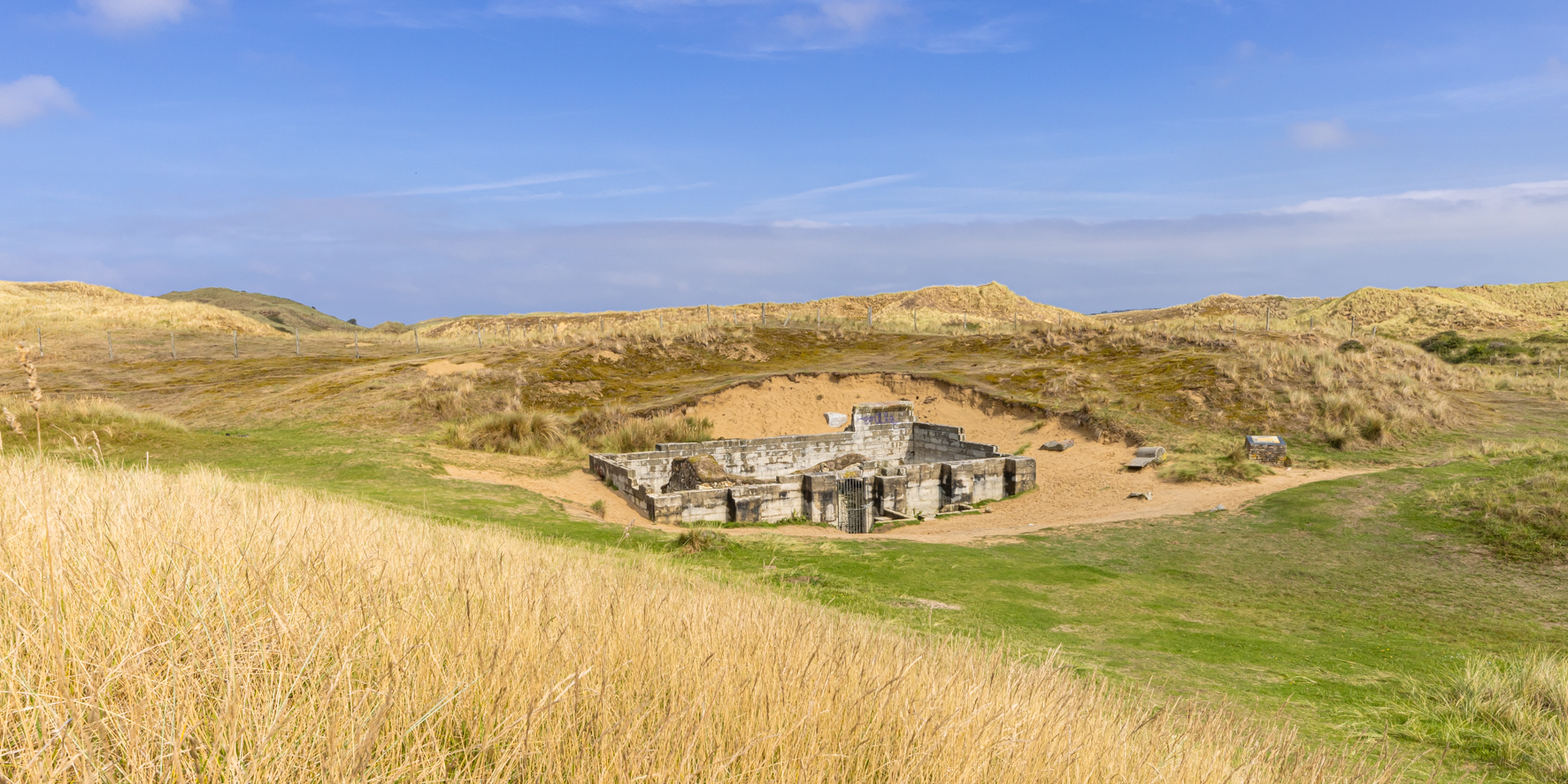
Here among the dunes, he established a simple oratory – a small early medieval chapel – from which he spread the Christian faith and gathered a community of believers. St Piran's Oratory is regarded as one of the oldest surviving Christian buildings in Great Britain to have remained largely intact. It probably dates from the seventh or eighth century and lay buried beneath shifting sand dunes for centuries before being rediscovered in the nineteenth century.
St Piran is the patron saint of Cornwall, of Cornish identity and culture, and especially of the Cornish tin miners. His feast day, St Piran's Day on 5 March, is still celebrated throughout Cornwall with great pride and enthusiasm.