St Mawgan

St Mawgan, an oasis of peace and community

About halfway along the Cornish Celtic Way lies St Mawgan, a picturesque village with a lively parish and a warm, welcoming atmosphere.

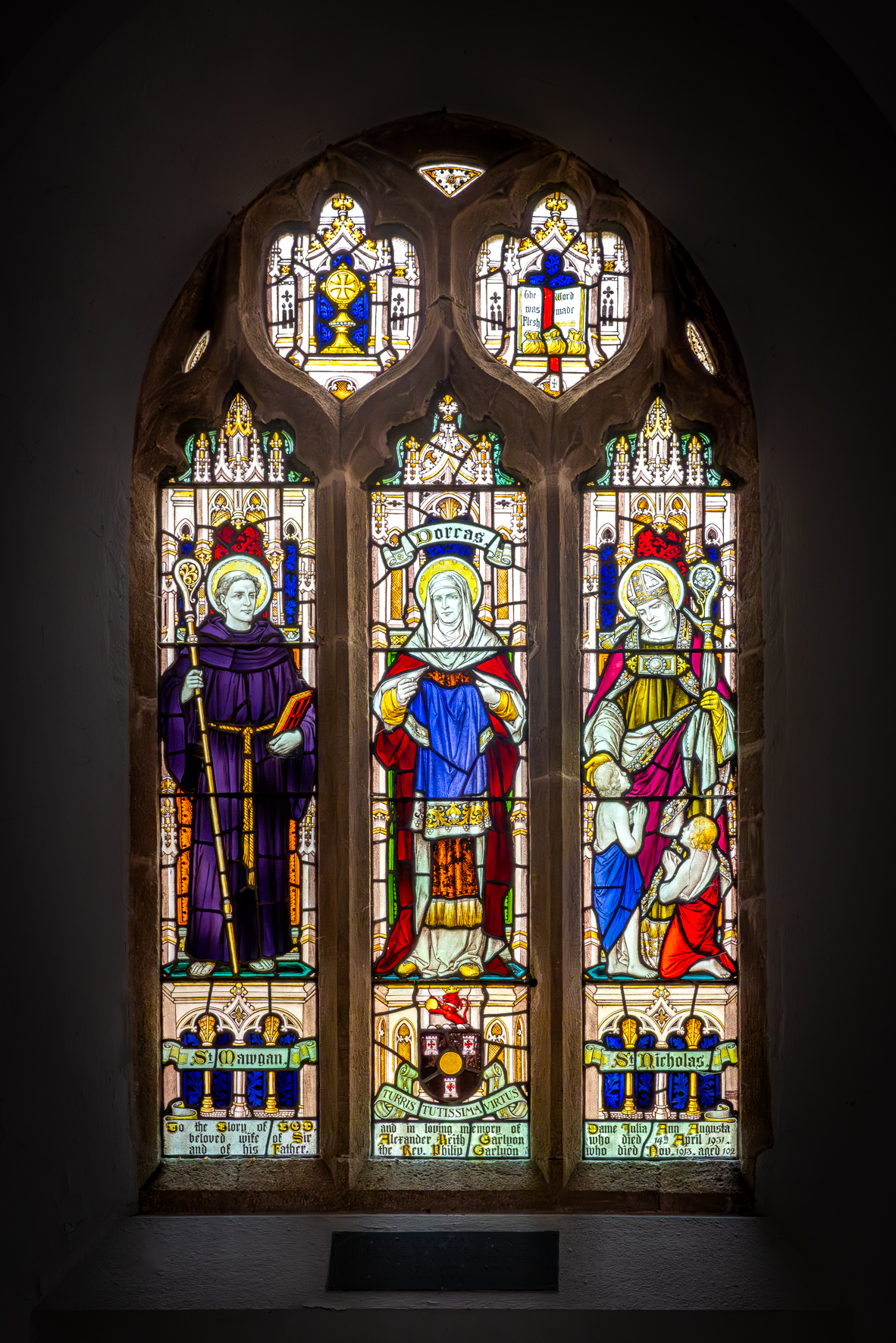
St Mawgan, a Welsh missionary, founded a monastery with a small church on this site. This was later replaced by an early medieval church, which in turn gave way to the present building you see today. Construction began in the 12th and 13th centuries. In the 15th century the church was enlarged and its tower added.

In this church, built on the very spot where St Mawgan preached and baptised in the sixth century, not only visitors are welcomed, but I too, as a pilgrim, found a place to stay. St Mawgan has become an oasis of peace and community along the way, a stop where centuries of prayer and hospitality come together.

Who was St Mawgan?

Although historical records are limited, St Mawgan is remembered as an early Christian missionary abbot who is believed to have arrived in Cornwall from Pembrokeshire in Wales in the 6th century. His name lives on in Cornish tradition as the founder of churches, monasteries, and sacred places.

At a time when Christianity spread along coasts, valleys, and ancient trade routes, Mawgan became one of the spiritual figures who helped root the faith in Cornwall. According to tradition, he established an early monastic community in St Mawgan-in-Pydar, where the present church was later built. Mawgan-in-Meneage on the Lizard Peninsula also bears his name. Both places preserve the memory of his spiritual presence to this day.

Tradition holds that St Mawgan preached at holy wells and baptised local inhabitants. In this way, his name became linked with valleys, springs, and quiet places in the Cornish landscape.

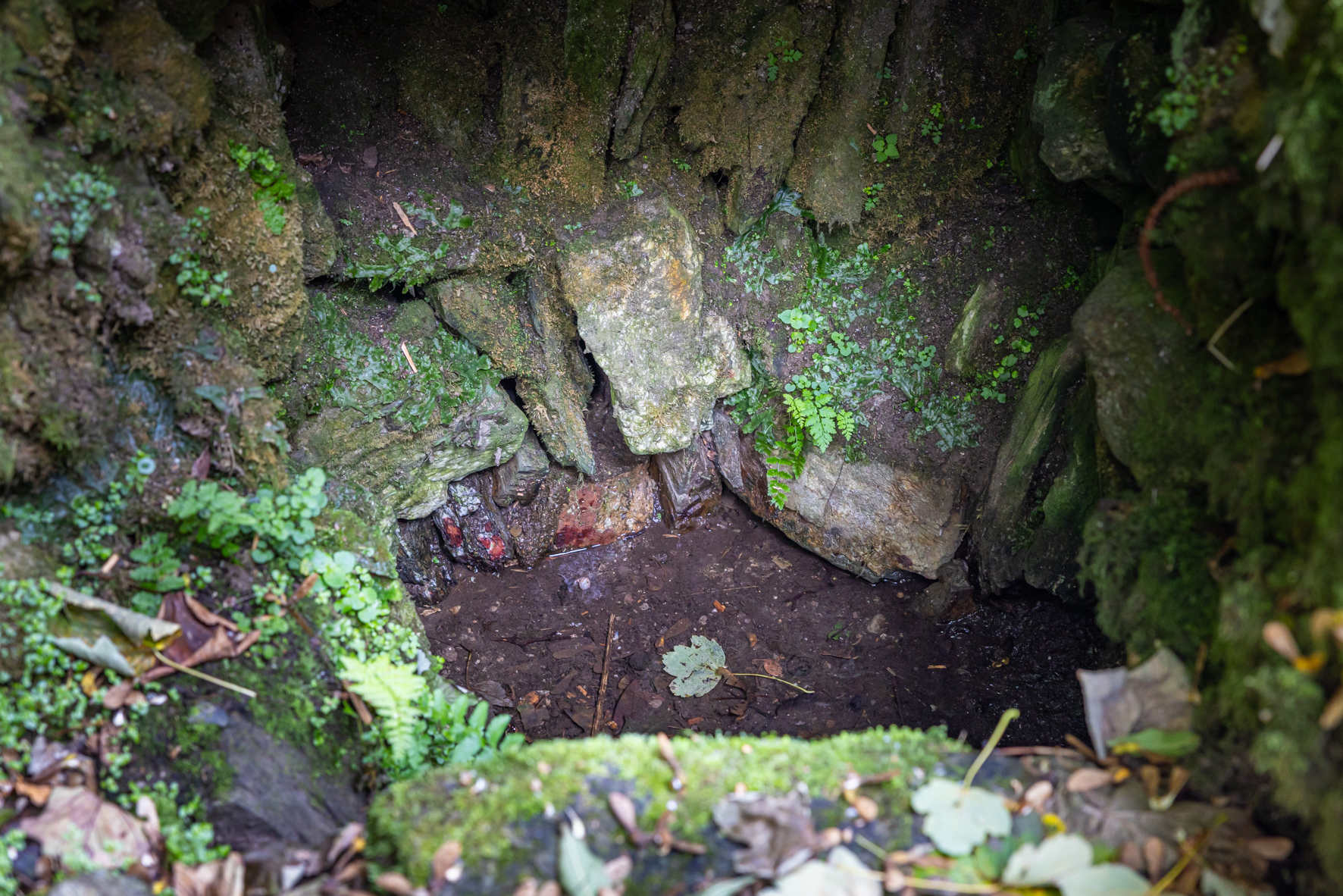
The holy well of St Mawg

The holy well of St Mawgan is more than a historical curiosity. It is a tangible reminder of the missionary activity of St Mawgan, a place of early baptisms and evangelisation. The well is located just inside the lych-gate of St Mawgan Church, to the left of the entrance.

Hidden among stone and greenery, it appears at first glance to be a simple water source. Yet local tradition holds that the Christian story of this valley began here. It was at this well that St Mawgan, a 6th-century Celtic saint, is said to have first preached and baptised the people of the area. The site developed into an early centre of faith and evangelisation, long before Cornwall became part of the Roman Church structure. The original church was dedicated to St Mawgan, and later St Nicholas was added in line with the Roman liturgical calendar.

The significance of this place remains tangible. Not as a monument of power or grandeur, but as a quiet reminder of Cornwall’s earliest Christian communities.

The churchyard of St Mawgan-in-Pydar 

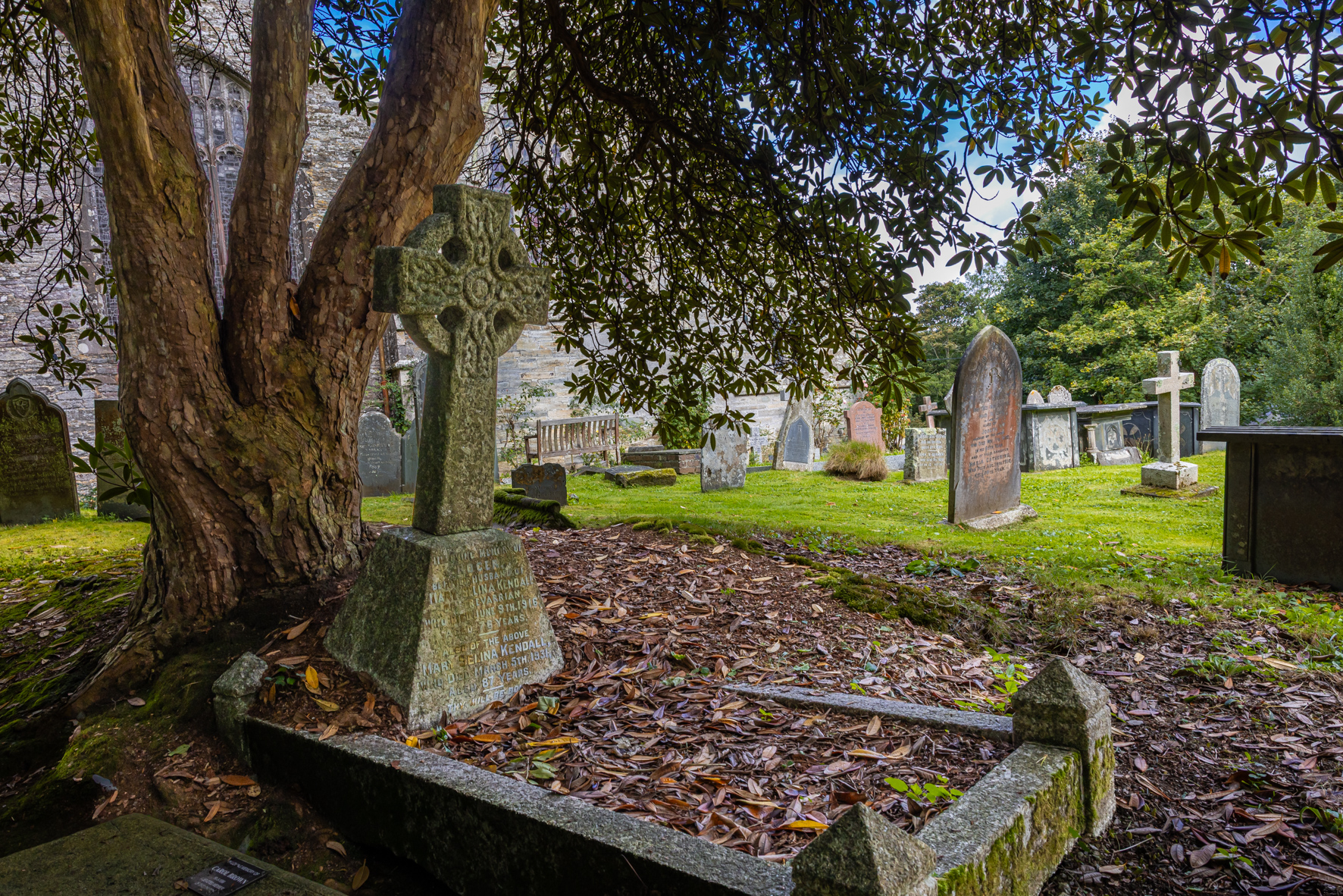
Churches and churchyards have formed an essential part of the English landscape for centuries. Here too, around St Mawgan Church, memory and nature coexist. With respect for the graves and for all who visit, space is also given back to plants, insects, and wildlife within the churchyard.

Some areas are deliberately managed as quiet natural zones to encourage biodiversity and restore ecological balance. More information can be found in the church portal. As shown in the video, many volunteers contribute to this project, step by step, season by season.

What grows here is shaped not only by care for heritage, but also by attention to creation itself. Among ancient gravestones, grass, and wildflowers, the churchyard remains not only a place of remembrance, but also a place of renewed life.

The Lantern Cross in St Mawgan-in-Pydar Churchyar

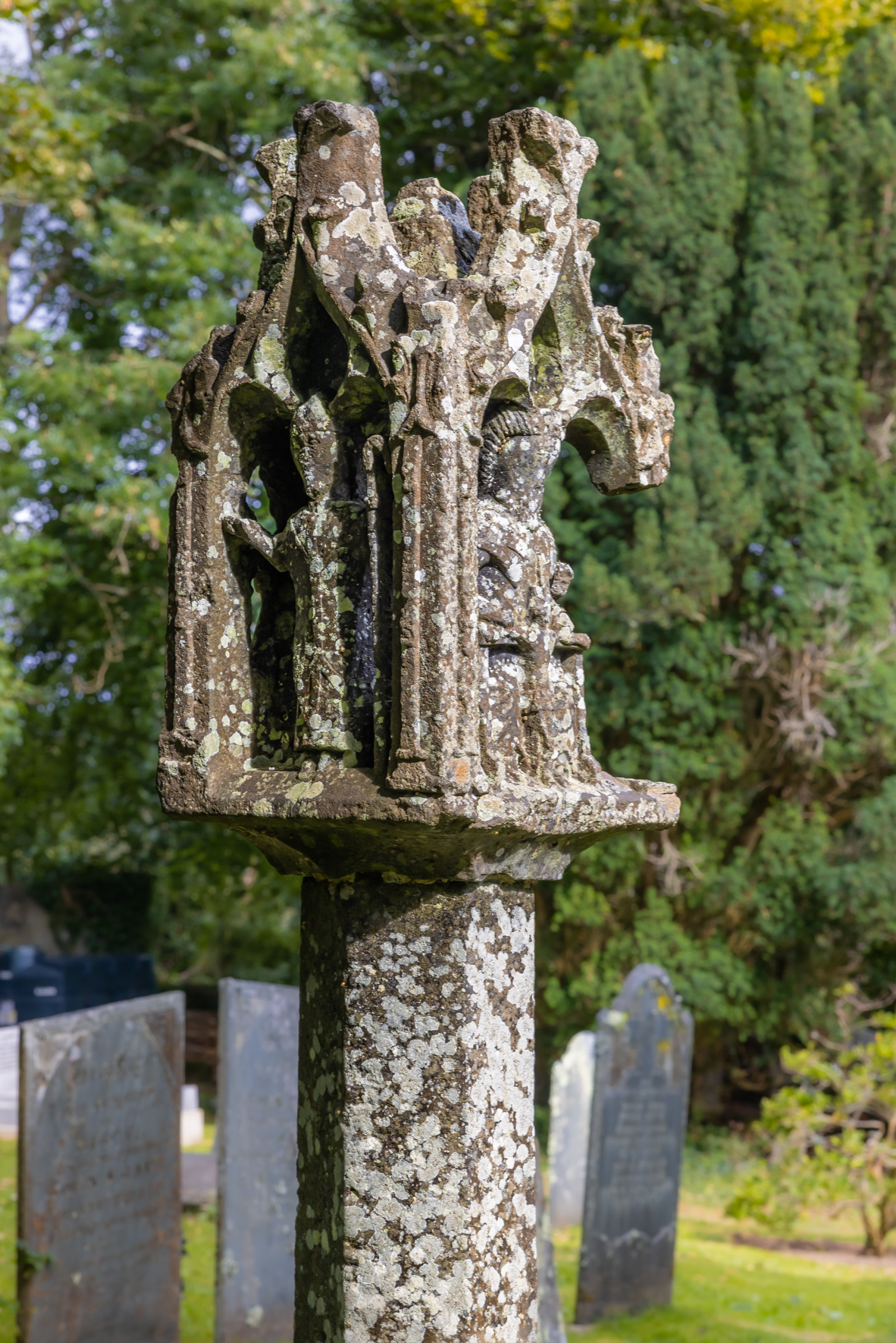
In the churchyard of St Mawgan, beside St Mawgan Church, stands a remarkable and ancient monument known locally as the Lantern Cross. This structure mounted on a pedestal like a lantern is a rare survival from the late Middle Ages, most likely dating from the fifteenth century. 

Carved into the stone are scenes of the Annunciation, the Holy Trinity and figures of bishops. Some believe these figures may represent Saint Mawgan and Saint Nicholas, the two saints with whom the church became associated over time, rather than contemporary bishops of the period.

Lantern crosses are uncommon. Although a small number survive elsewhere in Cornwall, the monument at St Mawgan is considered one of the best preserved examples. The fifteenth century was a time of renewal and expansion for many Cornish churches. The tower of St Mawgan Church dates from the same period, suggesting that the parish was both active and prosperous during those centuries.

For those walking the Cornish Celtic Way, the Lantern Cross carries a quiet but powerful symbolism: an ancient craftsman’s witness to God sending his Son to earth, standing among the graves, speaking of hope, watchfulness and continuity across generations.
For readers wishing to explore more about lantern crosses and Cornish stone crosses, author Andrew Langdon has published extensive research on the subject: https://kernowgoth.org/product/illuminating-our-lantern-crosses/