Celtic Crosses, connecting Heaven and Earth

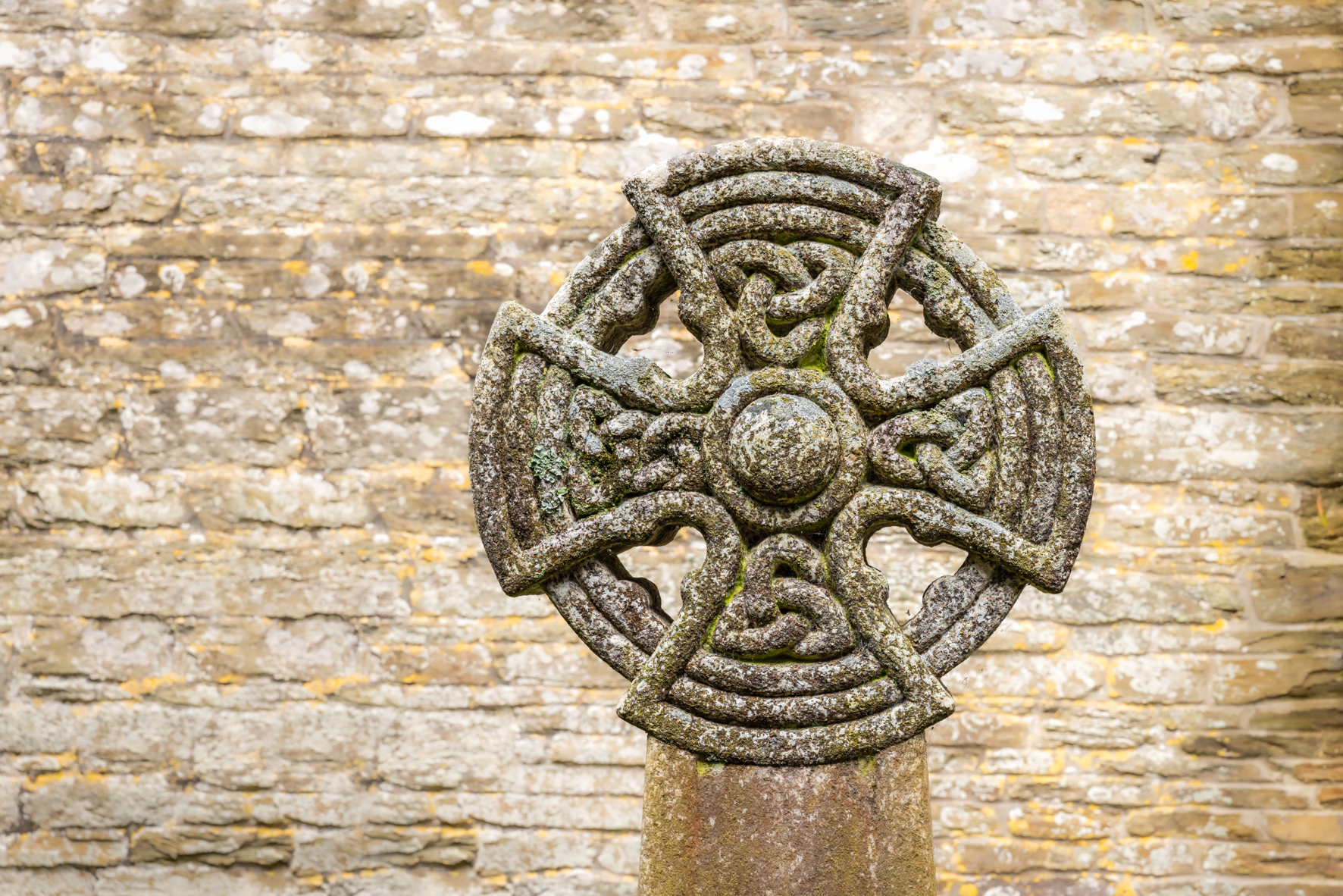
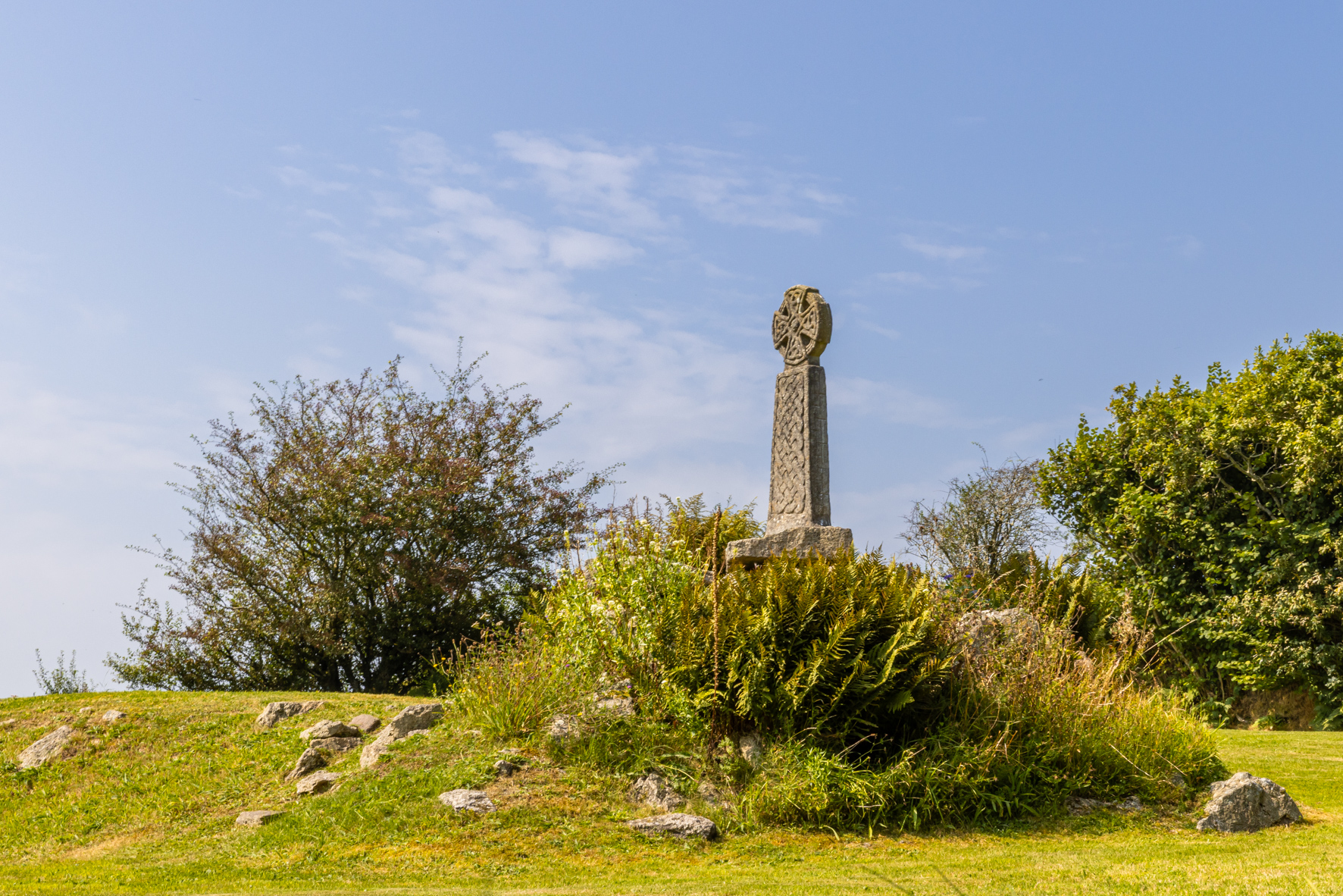
Those who walk the Cornish Celtic Way encounter not only the beauty of the landscape, but also stone witnesses to an age-old tradition of faith: weathered stone crosses, encircled and adorned with interlacing patterns: the Celtic cross and the Celtic knot. They are two of the most recognizable symbols of the Celtic world.

The Celtic cross is a Latin cross enclosed by a circle. For some, the circle represents the sun, the eternal cycle of life and death, or the cosmos itself. For others, it signifies the eternity of God. It is precisely in this ambiguity that the power of the symbol lies: it bridges Christian faith and the pre-Christian, nature-oriented Celtic spirituality.

Centuries later, these monuments continue to move us. For the modern pilgrim, they are not only markers of faith but also symbols of identity, connection, and a profound respect for the cycles of life.

The Cross within the Circle

At its heart, the Celtic cross is a Christian symbol, but with a distinctive twist. The familiar Latin cross is enclosed within a circle, something far more meaningful than a decorative addition. For some, the circle evokes the sun, the endless rhythm of the seasons, the cycle of life and death, or even the cosmos itself. For others, it represents the eternity of God or the halo of Christ.
Its strength lies precisely in this richness of meaning. The Celtic cross creates a bridge between Christian faith and a much older, nature-centred spirituality that existed long before Christianity arrived. Standing before one of these ancient crosses, you encounter a meeting of worlds: a Christian message expressed through Celtic imagery.
The Knot without an End

Closely connected to the cross is the Celtic knot: a line with no beginning and no end, endlessly weaving back into itself. The interlacing patterns that appear in stone carvings, illuminated manuscripts and modern jewellery seem to speak a universal language: life itself is woven together through connections, without a clear beginning and without a final ending.
For Celtic communities, this was not an abstract idea but a reflection of reality itself: the rhythm of the seasons, generations giving rise to new generations, and the unbroken cycles of the natural world.

Symbols of Connectedness

What both symbols share is their remarkable ability to express connection. The cross unites heaven and earth, time and eternity. The knot reveals the ties between people, nature and the divine.
Together they tell a story of interwoven lives and meanings, where faith and daily life, Christian hope and ancient tradition meet.

Crosses  along the Way

In Cornwall, crosses once stood not only beside churches and monasteries, but also along ancient pilgrimage routes and at crossroads. They served as landmarks in a rugged landscape. Pilgrims on their way to holy wells and sacred places found in them both direction and rest.

From Monastery to Cultural Icon

Long ago, monks created these symbols to enrich churches, manuscripts and prayer. Today they appear on gravestones, jewellery, tattoos, logos and works of art. Their appeal reaches beyond religion alone. They speak to those searching for roots, identity, or simply for a symbol of enduring connection.


Perhaps this is the greatest strength of the Celtic cross and the Celtic knot: they continue to carry meaning even as the world around them changes. They remind us that spirituality and culture are not always separate, but often grow out of their intertwining. Like the lines of the knot and the arms of the cross: inseparably connected, powerful in their simplicity and endlessly layered.